Take action
$3
Red Yucca - Seeds (Hesperaloe Parviflora)
Posted in Queen Creek, AZ
Listed in categories:

Chat securely on the app

Additional images
Description
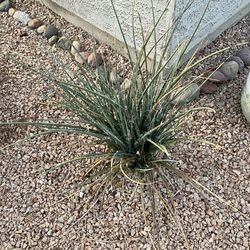
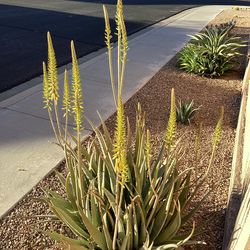
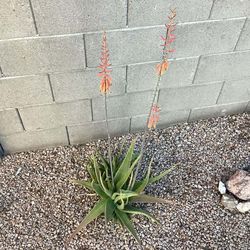
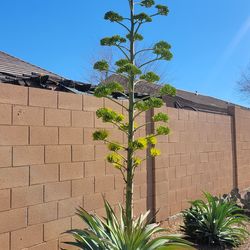
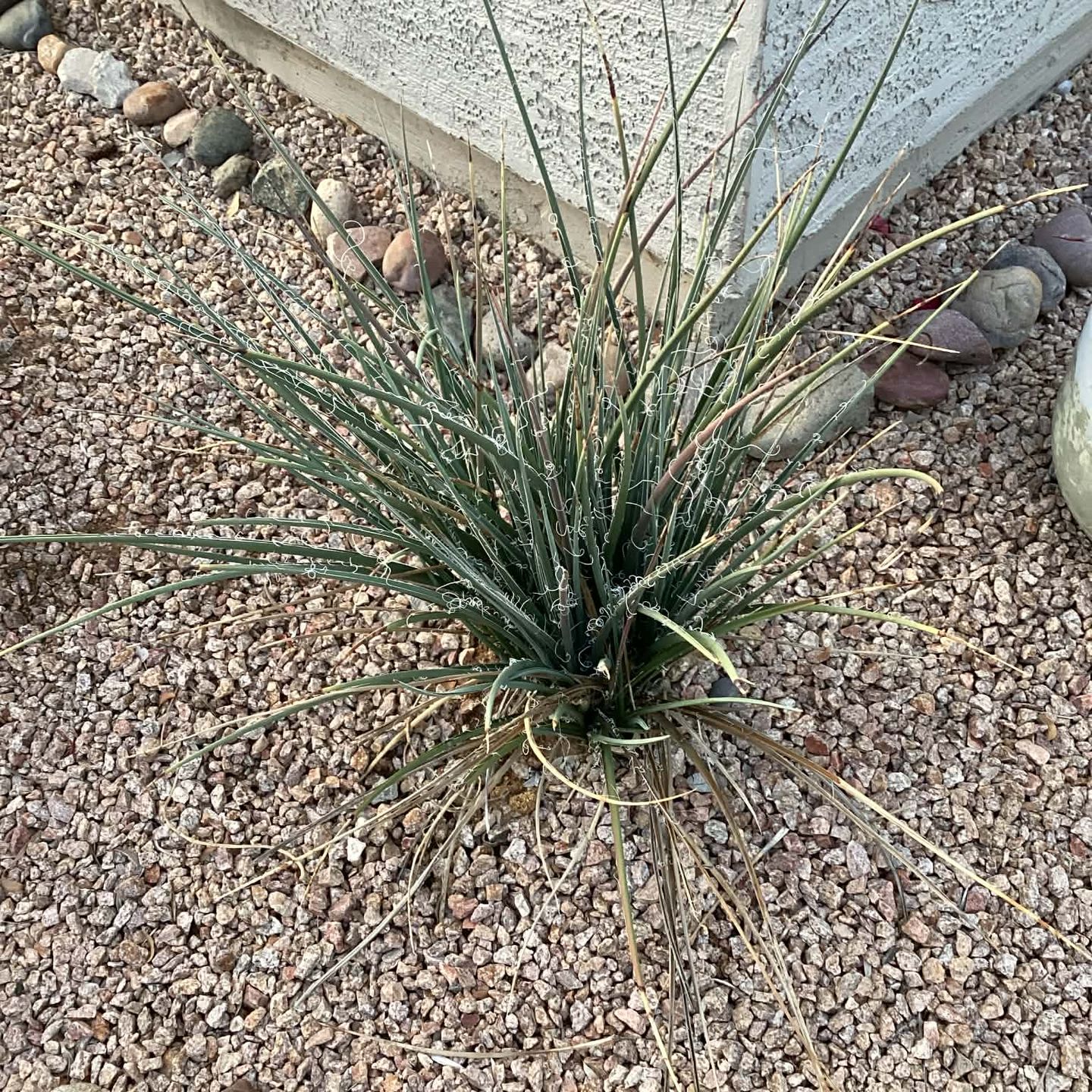
[$3 for 50 seeds or $5 for 100] Info: Hesperaloe Parviflora is not a true yucca but a member of the agave family; it is a long-lived, stemless desert perennial that grows from a central crown with a fibrous root system, produces tall branching stalks from the center when mature, and reproduces both by seed and by forming additional crowns over time. Flowers: Red yucca sends up tall, slender stalks lined with smooth, coral-red tubular blooms that last for months and naturally attract hummingbirds, adding elegant vertical color and movement to the landscape. Size: Red yucca (Hesperaloe parviflora) typically reaches about 2–3 feet tall and wide in leaf spread, with flower stalks rising 4–6 feet when in bloom. Growth rate is moderate — faster than most agaves but slower than aloe.From a small pup, expect it to look established in 1–2 years, with strong flowering usually by year 2–3. Planting Info: Red yucca is native to South Texas and northeastern Mexico, particularly in the Chihuahuan Desert region. It naturally occurs on rocky hillsides, limestone slopes, and open desert scrublands in that area. It also makes great yard plants if you live in Arizona and they do not require drip lines once established. For best odds of plants surviving in the ground you should plant in spring after frost season is over and before monsoon begins. Planting time: Wait 2-3 days for roots to callus before planting. Let them callus in a dark warm place. Do not plant if frost or rain is expected, wait until frost season ends and rain storms pass. Planting in moist ground is ok, just not soaked. Watering: After planting it in the ground, immediately give it a good watering. Water it again only when soil in bone dry. Do this until it becomes established in 4-8 weeks. Do not overwater. Plant facts: Red yucca is extremely long-lived and can thrive for decades once established. It develops a very tough root system that allows it to survive prolonged drought cycles. Hummingbirds are naturally drawn to its blooms, making it one of the most reliable pollinator plants in desert landscapes. Older plants gradually form additional crowns, giving them a fuller, sculptural presence over time.
Details
Condition
New
Climate
Dry
Plant Type
Succulent
Item location map
Map is approximate to keep seller’s location private.