Take action
$0
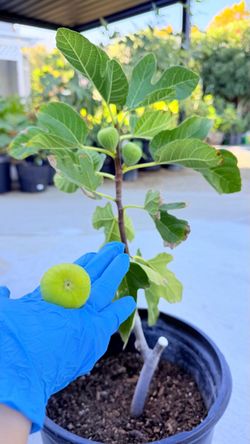
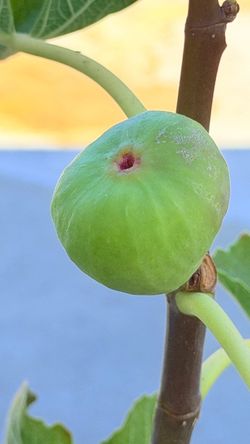
🌱 Fig Growing FAQ for Beginners
Posted in San Jose, CA
Listed in categories:

Chat securely on the app

Description
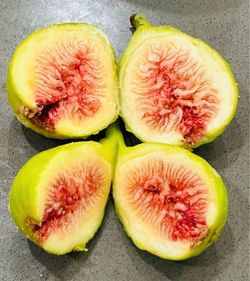
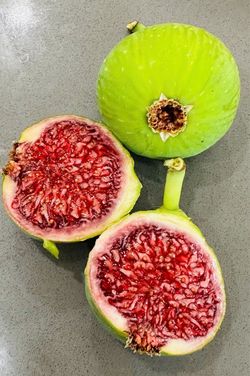
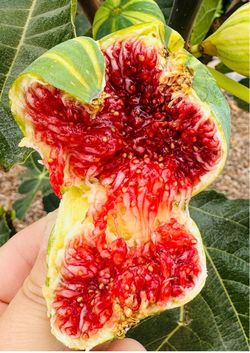
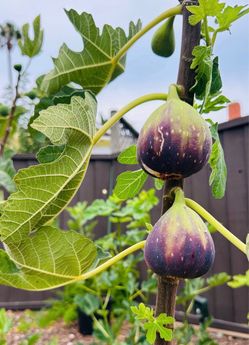
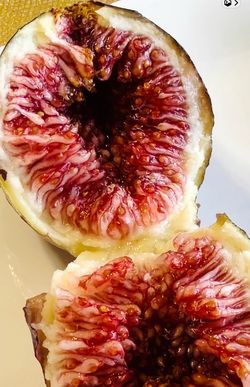
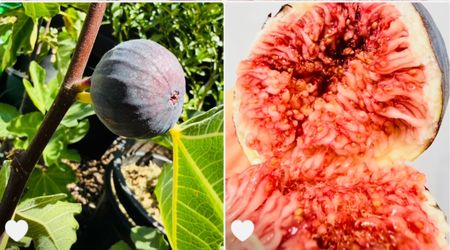
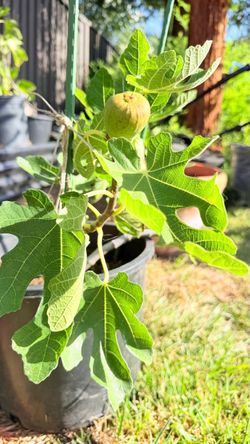
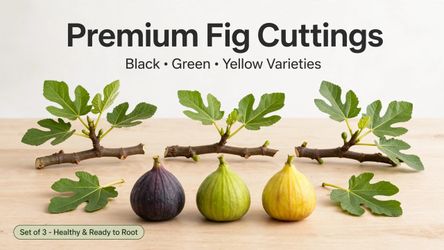
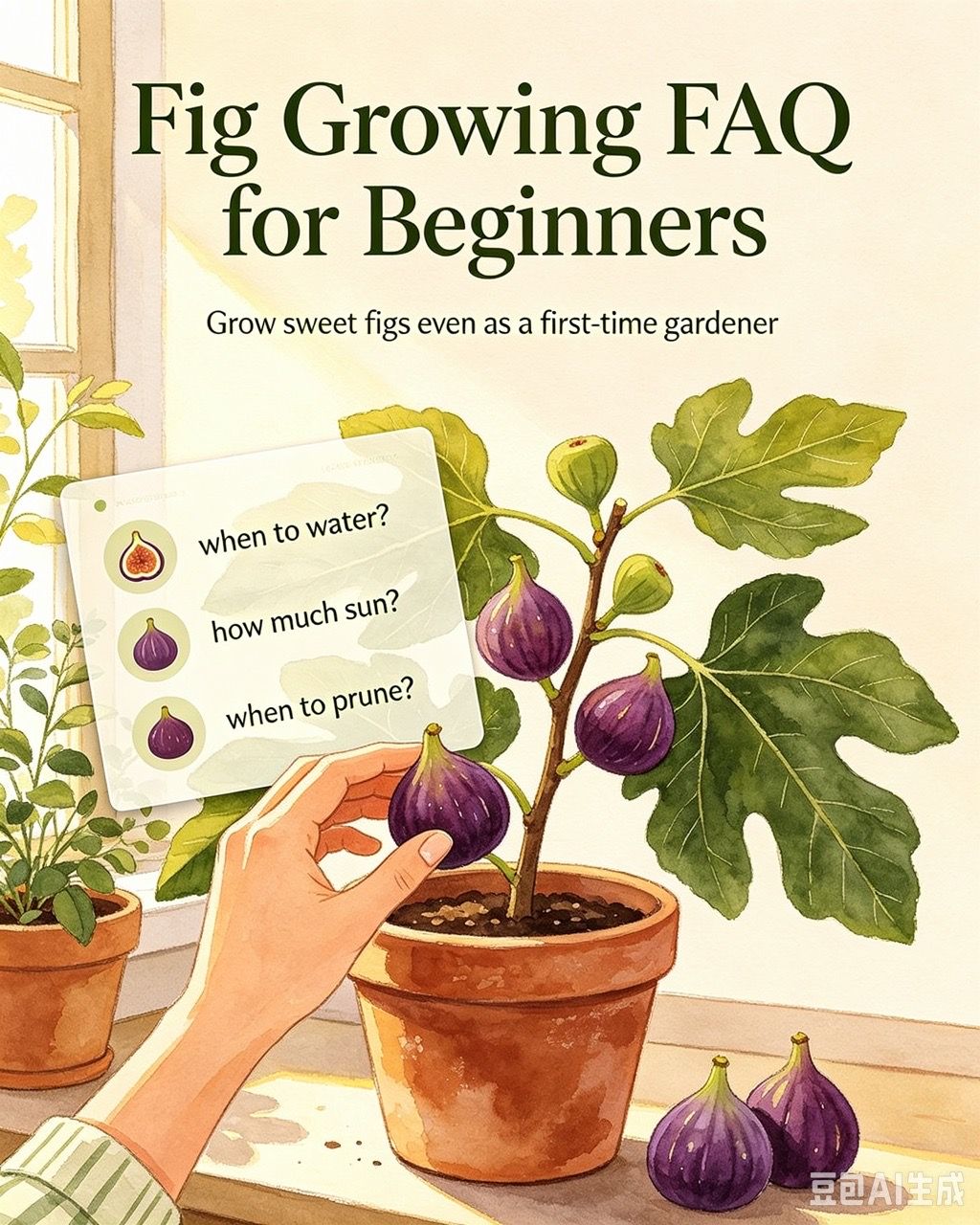
1. Do all figs taste the same? No! Different fig varieties can be completely different in terms of skin color, flesh color, size, shape, sweetness, texture, and flavor. Some have a rich honey-like sweetness, some have berry or jam-like flavors, some are light, sweet, and juicy, while others have unique nutty or fruity notes. 2. Do fig trees have to be planted in the ground? No. Fig trees are very well suited to container growing. As long as you choose a properly sized container and provide enough sunlight, water, and nutrients, a fig tree can grow healthy and produce fruit in a pot. That's one reason figs are especially suitable for balconies, patios, and small yards. 3. Can I grow a fig tree without a backyard? Absolutely! If you have a reasonably sunny balcony, patio, or small outdoor space, you can grow a fig tree in a container. Choose a variety that is well suited to container growing and easy to keep at a manageable size. With regular pruning, you can control the tree's height and enjoy your own fig tree even in a limited space. 4. Do fig trees need a lot of sunlight? Fig trees generally love plenty of sunlight. In general, more sunlight can support stronger growth and better fruit ripening. If you're growing a fig tree in a container, try to place it somewhere that receives several hours of direct sunlight each day. 5. Do fig trees need to be watered every day? Not necessarily. How often you need to water depends on the weather, container size, soil, tree size, and amount of sunlight. Container-grown figs can use water quickly during hot summer weather and may need frequent watering. However, avoid leaving the roots sitting in standing water for long periods. 6. Do fig trees need fertilizer? Yes, but in moderation. This is especially important for container-grown figs because the amount of soil and nutrients available in a pot is limited. Providing appropriate fertilizer during the growing season can help the tree maintain healthy growth. However, avoid over-fertilizing. Too much nitrogen, in particular, can encourage lots of leafy growth while reducing fruit production. 7. Do fig trees need to be pruned? Pruning is recommended. Pruning can help: * Control the tree's height * Keep it at a manageable size for container growing * Encourage lateral branches * Improve air circulation and sunlight exposure * Maintain a more compact shape Pruning is especially helpful for people growing figs in small spaces. 8. When do fig trees produce fruit? It depends on the variety and growing conditions. Healthy fig trees generally produce new growth during the growing season, and many common varieties can produce figs on new growth. Tree age, variety, temperature, sunlight, watering, and fertilization can all affect when a tree produces fruit. 9. Do fig trees have to flower before they produce fruit? This is a very interesting question! What we commonly call a “fig” isn't a typical fruit in the way an apple or peach is. The flowers of a fig are actually enclosed inside the structure we call the fig, which is why we don't see obvious flowers like we do on apple or peach trees. 10. Do all fig trees require pollination? No. Many common figs grown at home are Common Fig types and can produce fruit without relying on pollinating insects. However, some other types of figs have specific pollination requirements. When purchasing a fig tree, it's a good idea to check the variety and its pollination requirements. 11. Are bigger figs always better tasting? Not necessarily. Fruit size doesn't directly determine flavor. Some small-fruited varieties can be incredibly sweet and flavorful, while some larger varieties may be especially juicy. The flavor of a fig is influenced much more by its variety and ripeness. 12. Why do homegrown figs sometimes taste better than store-bought figs? Often, it comes down to ripeness. When figs are fully ripe, their sweetness, aroma, and softness can become much more pronounced. One of the best things about growing your own figs is being able to let them fully ripen on the tree and enjoy delicious tree-ripened figs. 13. What color are figs when they are ripe? There is no single answer. Different varieties can ripen to: 🟢 Green 🟡 Yellow-green 🟤 Brown 🟣 Purple ⚫ Deep purple or almost black The flesh can also be: * Yellow * Pink * Red * Deep red So you can't determine whether every fig is ripe simply by looking for a purple skin color. 14. How can I tell when a fig is ripe? You can usually look for several signs: * The fruit changes color * The fruit becomes softer * The fruit begins to droop naturally * The skin develops a more mature appearance * Some varieties develop slight cracking * The aroma becomes stronger Keep in mind that ripening characteristics vary from one variety to another. 15. Can fig trees produce fruit more than once a year? Some varieties can. Many fig varieties may produce two crops: Breba crop — an early crop, usually in spring or early summer Main crop — the pr
Details
Condition
New
Item location map
Map is approximate to keep seller’s location private.