Take action
$4
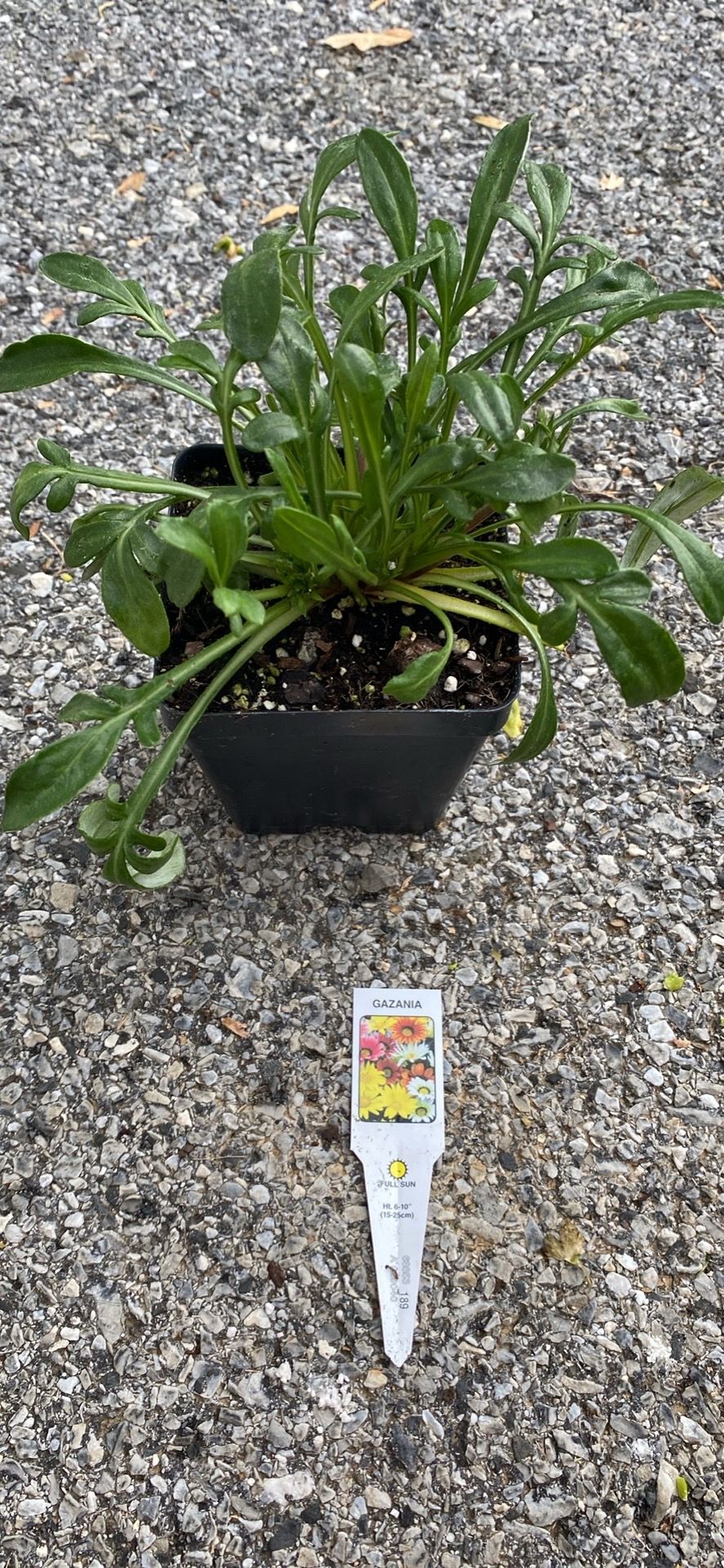
Gazania (treasure flower or African daisy)
Posted 9 days ago in Mount Joy, PA
Listed in categories:

Chat securely on the app

SOLD
Additional images
Description
This plant is a Gazania, also commonly known as the Treasure Flower or African Daisy. Native to South Africa, these plants are popular for their large, vibrant, daisy-like blooms and extreme drought tolerance.Growth and CharacteristicsFoliage: The plant features low-growing, mounding foliage with lobed, lance-shaped leaves. Many varieties have a distinctive silvery-white, woolly underside to their leaves, which helps reflect sunlight and conserve moisture.Bloom Habit: A unique trait of Gazanias is that their flowers only open in full sun; they remain tightly closed at night and even on heavily overcast or stormy days.Size: They typically grow 8–12 inches tall and https://offerup.com/redirect/?o=d2lkZS5DYXJl RequirementsSunlight: Full sun is essential (at least 6–8 hours daily). Shady spots will lead to leggy growth and fewer, closed blooms.Watering: Water sparingly. They prefer their soil to dry out almost completely between waterings. Avoid overwatering, as they are highly susceptible to root rot if kept in soggy conditions.Soil: Use well-draining, sandy or loamy soil. For potted plants, a mix containing sand and perlite is ideal for ensuring proper drainage.Maintenance: Regularly deadhead (remove spent flowers) to encourage continuous blooming throughout the season.Hardiness: They are tender perennials (hardy in USDA Zones 9–11) but are most commonly grown as annuals in cooler climates.
Details
Condition
New
Item location map
Map is approximate to keep seller’s location private.