Take action
$65
1 BULB AMORPHOPHALLUS PAEONIIFOLIUS ELEPHANT FOOT YAM ARACEAE PLANT Voodoo Lily
Posted in West Palm Beach, FL
Listed in categories:

Chat securely on the app

Additional images
Description
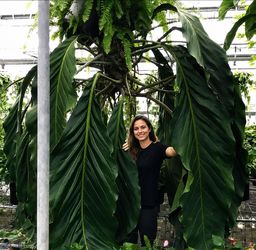
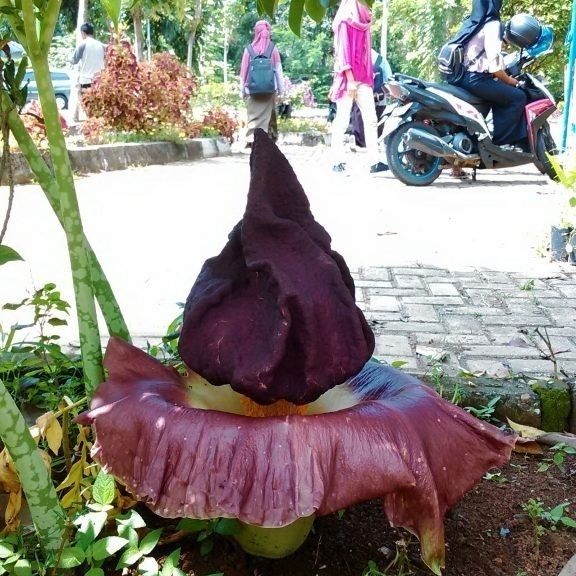
Last photos show actual item. Amorphophallus paeoniifolius, commonly known as Elephant Foot Yam, is a striking tropical aroid valued for its unusual growth cycle and bold architectural presence. It develops from a large underground corm and produces a single, thick, mottled stalk topped with a wide, umbrella-like leaf that can reach impressive size. The leaf structure resembles a small tree, with finely divided leaflets forming a broad canopy. During its flowering phase, the plant produces a dramatic inflorescence consisting of a central spadix surrounded by a fleshy spathe. Like many species in this group, the bloom emits a strong odor for a short period to attract pollinators, making it more of a curiosity feature than a fragrant ornamental. The flowering event is relatively brief but visually striking. After the active growing season, the plant naturally enters dormancy, during which the above-ground portion dies back completely while the corm remains alive below the soil. Each growth cycle typically produces a larger plant as the corm increases in size. This seasonal pattern makes it well suited for collectors and growers who appreciate unusual plant behavior. The plant can be grown in the ground in tropical climates or in large containers where conditions can be controlled. Its bold structure and unique life cycle make it a standout specimen in tropical plant collections and gardens. Care Guide Light This plant prefers bright, indirect light or partial shade. It grows well under filtered sunlight similar to a forest understory. Strong direct sun, especially in hot climates, can stress the leaf, while too little light may reduce growth size. Watering Water regularly during the active growing phase, keeping the soil evenly moist but not waterlogged. As the plant enters dormancy and the leaf dies back, watering should be reduced significantly or stopped to prevent rot. Resume watering when new growth emerges. Soil Use a rich, well-drained soil mix with good organic content. The plant benefits from a loose structure that retains moisture but allows excess water to drain freely. A mix with compost, bark, and perlite works well. Temperature Tolerance Amorphophallus paeoniifolius thrives in warm temperatures between about 70 and 95°F. It is sensitive to cold and should be protected from temperatures below 55°F. In cooler climates, it is best grown in containers and brought indoors during cold periods. Humidity Moderate to high humidity is preferred, though the plant can adapt to typical outdoor humidity in warm climates. Good airflow is important to keep the plant healthy and prevent fungal issues. Fertilization Feed during the active growing season with a balanced fertilizer to support leaf and corm development. Consistent feeding helps the corm increase in size, leading to larger growth in future cycles. Pruning and Maintenance No pruning is required. The plant naturally dies back at the end of its growth cycle. Remove the spent leaf once it has fully dried. Pests and Issues Generally low-maintenance, but may occasionally attract pests such as aphids or mites. The main risk is rot caused by overwatering, especially during dormancy. Dormancy Cycle This species has a strong seasonal dormancy. After the growing phase, the plant will die back completely. The corm should be kept dry or lightly moist until new growth appears. Drought Tolerance Low during active growth, but tolerant of dry conditions during dormancy when watering is reduced or stopped. Fertilizer that I include as an option is an excellent choice for professional growers or nurseries if you grow plant in a pot. I personally use it for all my plants. It has polymer coating to allow slow release during 8-9 months evenly. You don't have to worry about repotting the plant for about 1 year or worry about burning plant with your regular over the counter fertilizer. You need about 3-4oz per 3 gal pot or 4-5oz per 5 gal pot. GUARANTEED ANALYSIS F1877 T
Details
Condition
Used (normal wear)
Item location map
Map is approximate to keep seller’s location private.