Take action
$119
Organic Bearss Lime Fruiting Tree - Ready to Harvest Juicy Limes! Are you looking to add a touch of tropical flair to your garden or patio while enjoy
Last updated 3 days ago in Universal City, CA
Listed in categories:

Chat securely on the app

Description
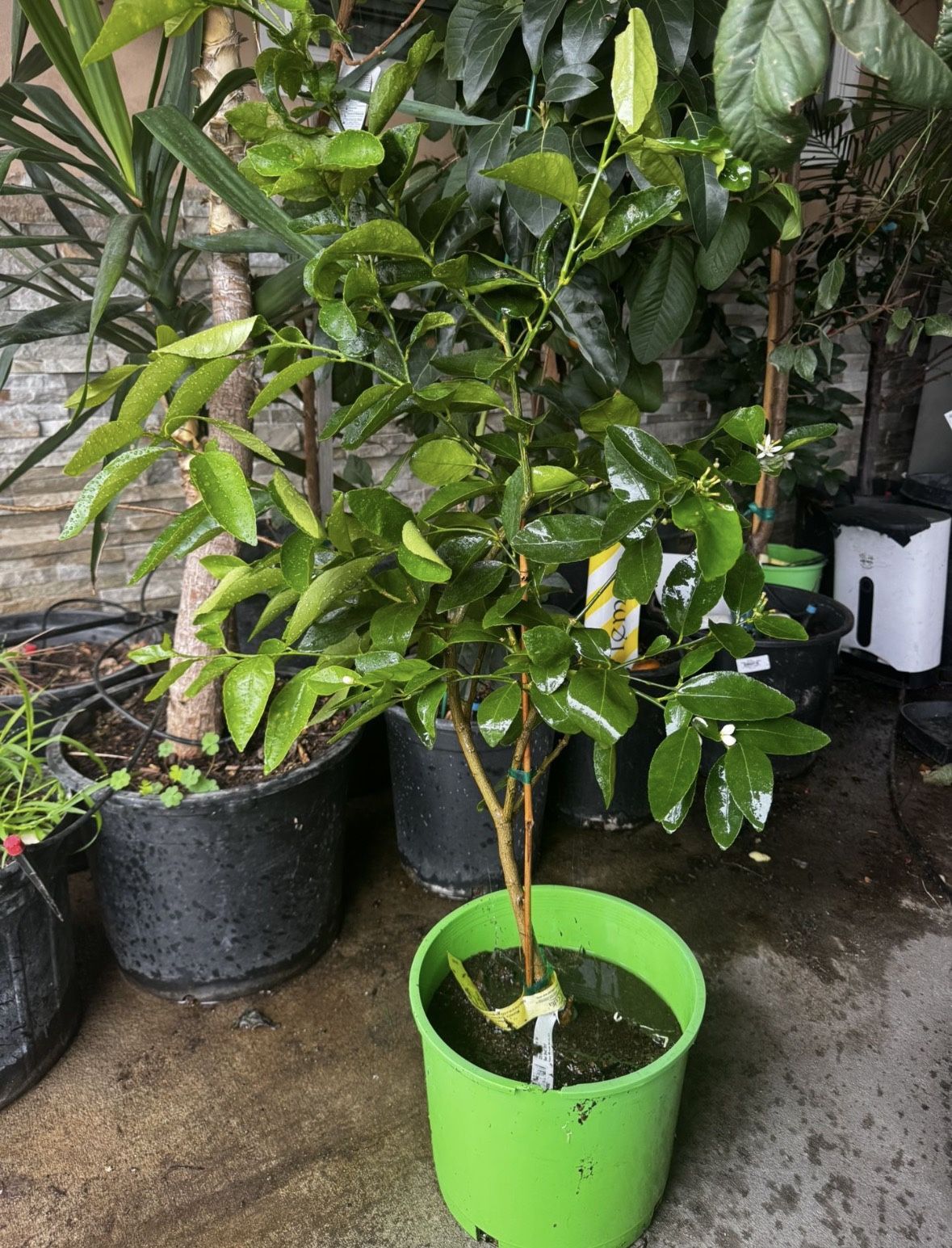
Organic Bearss Lime Fruiting Tree - Ready to Harvest Juicy Limes! Are you looking to add a touch of tropical flair to your garden or patio while enjoying fresh, homegrown limes? This organic Bearss Lime tree (Citrus × latifolia), also known as Persian or Tahitian Lime, is a vigorous, fruiting specimen that’s perfect for urban gardeners in sunny climates like Los Angeles, California. 0 Grown organically without synthetic pesticides or fertilizers, this tree is already showing signs of maturity with lush green foliage and the potential to bear fruit soon. Ideal for containers or planting in the ground, it’s a low-maintenance addition that rewards you with seedless, juicy limes year-round in the right conditions. Tree Overview This particular Bearss Lime tree is approximately 2-3 feet tall, potted in a vibrant green 1-gallon container for easy transport and immediate placement. The leaves are dark green, elongated, and glossy, typical of healthy citrus plants, with a sturdy central trunk and branching structure that’s ready to support future growth and fruit production. 1 As a semi-dwarf variety, it can reach 10-15 feet when planted in the ground but stays more compact in pots, making it suitable for patios, balconies, or indoor spaces with ample light. 0 Developed by John T. Bearss in Porterville, California, this tree is less thorny and more cold-hardy than other lime varieties, thriving in USDA zones 9-11. 2 Bearss Limes are renowned for their medium-sized, round or oval fruits with smooth, thin green skin that turns yellow when fully ripe in cooler climates like Southern California. 3 The juice is less acidic and slightly sweeter than Key limes, offering a balanced tangy flavor perfect for cocktails, marinades, desserts, and fresh eating. 0 These limes are typically seedless (with three or fewer seeds classifying them as such), making them convenient for culinary use. 3 Expect heavy crops, especially in fall, that store well on the tree if protected from frost. 3 Here’s what the mature fruit looks like on a Bearss Lime tree: 0 “LARGE” 1 “LARGE” 2 “LARGE” Why Choose This Organic Bearss Lime Tree? • Organic Certification: Grown using natural methods, ensuring no harmful chemicals – safe for you, your family, and the environment. • Fruiting Ready: This tree is at a fruiting age, with potential blooms and limes appearing in late winter to spring, depending on care. 8 • Versatile Uses: Harvest limes for fresh juice, zest, or even mixing with lemons for a unique citrus blend. 4 Almost as big as lemons, they’re greenish-yellow, seedless, and incredibly juicy. 4 • Beginner-Friendly: One of the easiest citrus trees to grow, suitable for indoors or outdoors in warm areas. 0 It’s highly productive and resilient, making it great for home orchards or cocktail gardens. 7 • Health Benefits: Limes are packed with vitamin C, antioxidants, and can aid digestion – enjoy the perks of organic homegrown produce. Planting and Care Instructions To ensure your Bearss Lime tree thrives, follow these step-by-step guidelines tailored for organic growing: 1. Location and Climate • Plant in a spot with full sun exposure – at least 8-12 hours daily for optimal fruit production. 0 It thrives in warm, tropical to subtropical climates but is the most cold-hardy lime variety. 3 • In Los Angeles, it’s perfect for outdoor planting year-round, but protect from rare frosts by covering or moving indoors. • If keeping in a pot, use a container with drainage holes to prevent root rot. 2. Soil Requirements • Use well-draining, slightly acidic to neutral soil (pH 6.0-7.0). 0 A mix of native soil, orchid bark, and organic mulch works well for richness and drainage. 1 • For organic growth, amend with compost or worm castings instead of synthetic fertilizers. 3. Watering • Water 2-3 times a week in summer, ensuring the soil stays moist but not waterlogged – it cannot dry out completely. 1 Use a drip system for even distribution around the root zone. • Reduce watering in cooler months, checking the top 2 inches of soil for dryness. 4. Fertilization • Fertilize 3-4 times a year with an organic citrus-specific fertilizer to support vigorous growth and fruiting. 1 • Apply in spring, summer, and fall for best results, avoiding over-fertilization to prevent leaf burn. 5. Pruning and Maintenance • Prune lightly in late winter to shape the tree and remove any suckers from the rootstock (below the graft line) to maintain health. 1 • Watch for common issues like aphids or scale; use organic neem oil sprays for control. • This tree self-pollinates, so no need for a second tree – just one will produce abundantly. 8 6. Harvesting • Fruits mature in 6-8 months after flowering. Pick when green for tart flavor or yellow for milder taste. • In California, expect the heaviest crop in fall, with fruits storing well on the tree. 3 Additional Notes This tree is a resilient evergreen that can reach 8-20 feet tall when mature, but it’s beginner-fr
Details
Condition
Used (normal wear)
Item location map
Map is approximate to keep seller’s location private.