Take action
$20
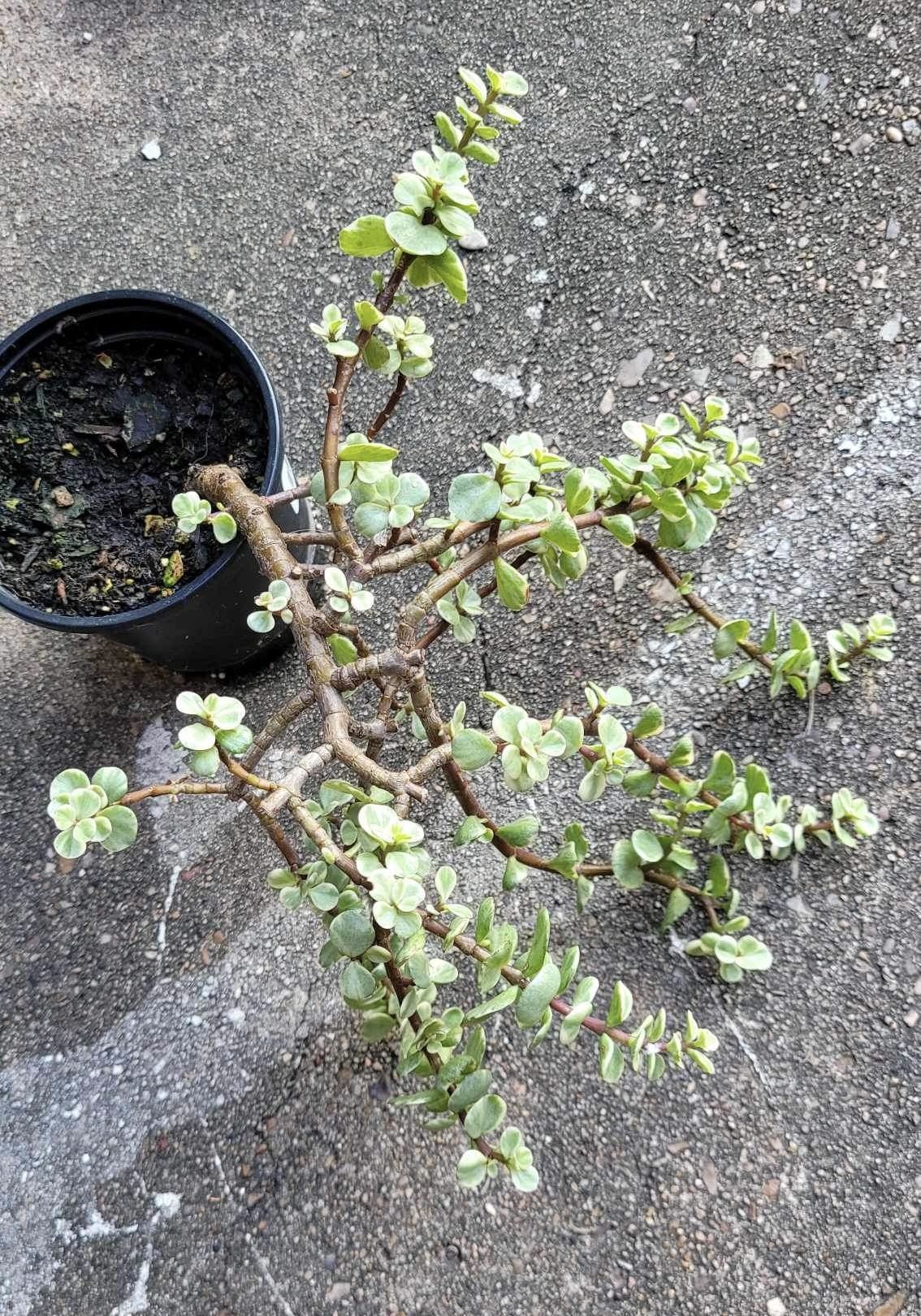
Portulacaria Afra Elephant Bush Jade Variegated Succulent Plant Bonsai Plant
Last updated over 1 year ago in Webster, TX
Listed in categories:
Chat securely on the app

SOLD
Additional images
Description
Free Pick up & Porch Pick up from Webster tx 77598 Cash/Zelle accepted Plant will ship bare root with some soil or moss Please read description before ordering Feel free to ask questions before ordering Plants pulled/cut same day or next day packaged and shipped Please advise on weather conditions (excessive heat or cold) so I can try to pack accordingly. Once your package delivered to USPS it is out of my control and in their control. I am not responsible for weather conditions (excessive heat or cold), delays, lost or stolen packages. After I personally print your shipping label and drive your package to the post office it's in their hands. Once you rate all sales are final. No return or refund The Portulacaria afra variegata plant has many names, including: Rainbow Bush: A common name for the plant Mini Jade: Another name for the plant Spekboom: A name for the plant Elephant Bush: A name for the plant Variegated Elephant's Food: Another common name for the plant The Portulacaria afra variegata is a succulent plant that is native to South Africa and Swaziland. It is easy to grow and care for, and is often used as a bonsai or in hanging baskets. Here are some tips for caring for a Portulacaria afra variegata, also known as the Rainbow Bush, succulent: Light Place in a location with full to partial sun exposure. If grown indoors, put it next to a sunny window. Too much direct sunlight can burn the leaves. Soil Use a well-drained soil mix with lots of perlite or vermiculite for drainage. You can also add some small stones or clay pebbles to the bottom of the pot to prevent puddles. Watering Water thoroughly and allow the soil to dry out a couple of weeks before watering again. Water more frequently during the spring and fall, but reduce watering in the winter when the plant goes dormant. Fertilizing You can feed the plant with a low nitrogen or basic houseplant fertilizer every 6–8 weeks between fall and spring. Pruning Prune the branches to prevent them from growing into an unruly brush. Temperature Gradually acclimate the plant to outdoor conditions before moving it permanently outside. When night temperatures drop below 40° F, move the plant back inside. Pests Maintain proper humidity levels and keep the soil well-drained to keep pests like spider mites, gnats, and mealybugs away. Repotting Repot the plant once a year to provide it with more nutrition.
Details
Condition
New
Climate
Tropical
Item location map
Map is approximate to keep seller’s location private.