Take action
$49
LIVE PLANT 3ft Jacaranda mimosifolia Blue Jacaranda Tree Black poui Nupur Fern
Last updated about 1 year ago in Palm Beach Gardens, FL
Listed in categories:
Chat securely on the app

Additional images
Description
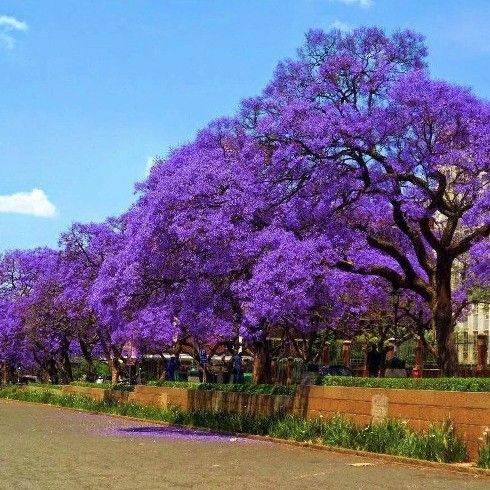
The plant I ship is about 2-3 ft tall Combined shipping: If bought with other plants that I sell, shipping is combined and discounted. The jacaranda tree is a beautiful tropical tree that produces clusters of fragrant purple panicle-shaped blooms and arching branches that form a canopy shaped like an upturned umbrella. The jacaranda tree is fast-growing in a tropical environment, gaining about 10 feet a year in its first years of life. Its growth rate varies depending on where it's grown, slowing down to a moderate growth rate outside its ideal tropical environment. Jacaranda trees are happiest in parts of the United States with the balmiest locations, such as Hawaii, Florida, Southern California, and parts of Texas where they grow remarkably easily because of ideal warm, sunny conditions. The tree also requires consistent moisture year-round in slightly acidic soil. Common Name Jacaranda tree, black poui, blue jacaranda Botanical Name Jacaranda mimosifoila Family Bignoniaceae Plant Type Tree Mature Size 25–50 ft. tall, 15–30 ft. wide Sun Exposure Full Soil Type Sandy, well-drained Soil pH Neutral, acidic Bloom Time Spring, summer Flower Color Purple, blue Hardiness Zones 10-11 (USDA) Native Area South America Jacaranda Tree Care Here are the main care requirements for growing a jacaranda tree: Avoid planting a jacaranda tree near pools, driveways, patios, and sidewalks due to weak wood, litter, and significant surface roots that can disturb structures. Plant the jacaranda tree in a spot that has six to eight hours of sunlight a day. Use sandy soil on the acidic side that's well-draining to prevent root rot. Water the tree during extended dry periods though the plant is moderately drought-tolerant. Light For the best blooming, plant your jacaranda tree in full sun, where it receives at least six to eight hours of sun per day. Smaller jacaranda trees can tolerate light shade if necessary, but a lack of optimal sunlight can impact the amount and vibrancy of their blooms. Soil Jacaranda trees will do best in well-draining, moderately sandy soil with a slightly acidic pH level. It's also tolerant of clay and loamy soils but should not be planted in any mixture that is considered heavy, wet, or not well-draining. Water-logged soil can lead to an increased risk of root rot and mushroom root rot.1 Water As a general rule, water your jacaranda tree when the top 3 to 4 inches of soil feels dry to the touch. These trees need consistent moisture throughout the year and often require additional watering during high heat or drought periods.1 Water the area around the tree's base. Concentrate most of the water at its drip line (the spot where the water drips off the ends of the branches) instead of near the trunk. To gauge whether your watering was sufficient, poke a finger or water gauge into the ground up to three inches deep, ensuring the water has seeped down to that depth. Repeat watering this way once a week, increasing to several times a week during intense sun or heat periods. Reduce watering to once a month during the tree's dormant winter months. Temperature and Humidity Some jacaranda trees can tolerate occasional cold weather days (as low as 20 degrees Fahrenheit), but generally, this species does not thrive in climates with frequent freezing temperatures. This plant prefers heat and humidity but is vulnerable to trunk scald in areas with constant high temperatures.1 Fertilizer Feed your jacaranda tree annually with a balanced tree fertilizer, but be careful not to give it too much nitrogen, which can affect flowering. A good fertilizer ratio is 10-10-10 NPK (nitrogen-phosphorus-potassium). For the amount to use, consult the product label instructions. If you are fertilizing grass under the tree, chances are the tree is already getting a lot of nitrogen. Pictures show adult plant and its possible applications. First picture is one of actual plants Root ball of the plant comes in a plastic poly bag, sealed to maintain moisture for the 3 days that the plant is in transit. Height of the plants is measured from the base of the root ball. No returns, refunds or exchanges
Details
Condition
Used (normal wear)
Item location map
Map is approximate to keep seller’s location private.