Take action
$95
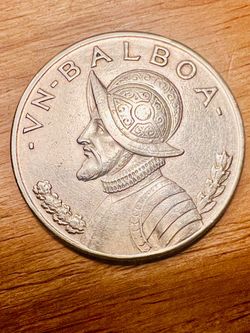
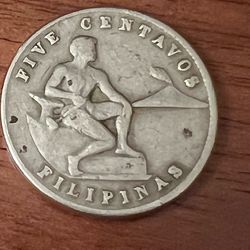
Rare XF S mule mark 1915 Philippines 5 centavos
Last updated 10 days ago in Chicago, IL
Listed in categories:

Chat securely on the app

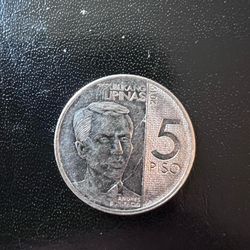
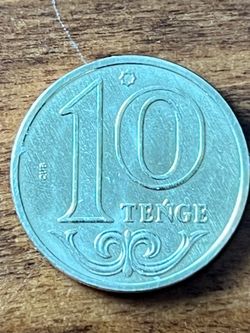
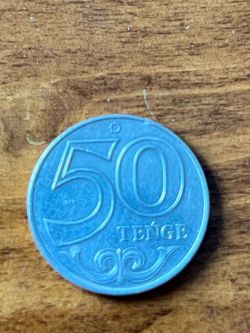
Additional images
Description
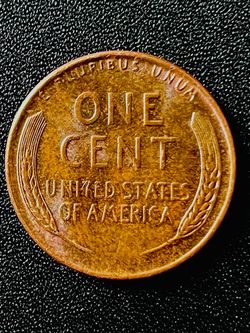
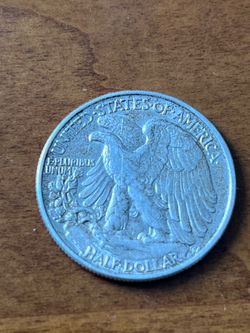
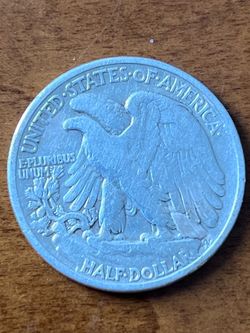
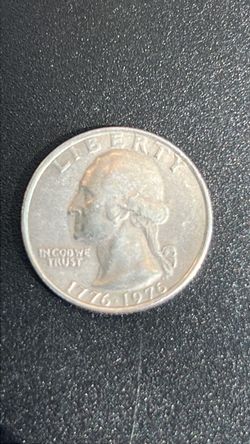
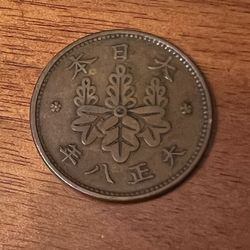
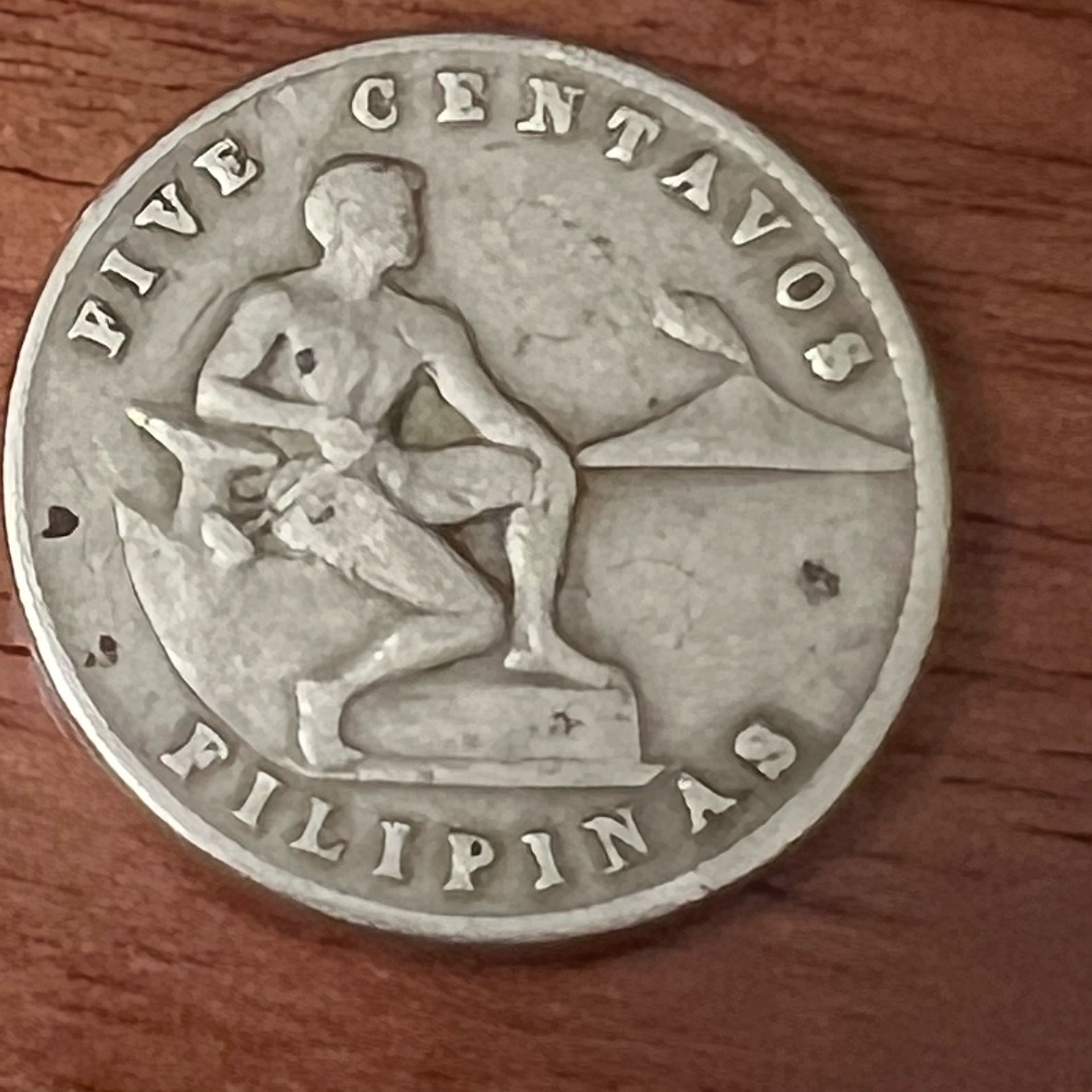
This coin is a rare 1915-S U.S./Philippines Five Centavos, minted in San Francisco during the American administration of the Philippines. The reverse shown features an eagle perched atop a shield surrounded by the legend "United States of America" and the date 1915, with a small "S" mint mark visible on the lower left. Denomination: 5 Centavos (0.05 Philippine Peso) Composition: Copper-nickel (75% copper, 25% nickel) Weight: 5.0 grams Diameter: 21.23 mm Obverse Design: Features a seated Filipino man next to an anvil and hammer with a smoking volcano in the background. The Figure: Features a seated, muscular Filipino man sitting next to a large blacksmith's anvil, holding a hammer in his right hand. This design represents the labor, industry, and resilience of the Filipino people. The Volcano: In the background is Mt. Mayon, a famous, symmetrically shaped active volcano located in Albay province on Luzon Island. It is depicted with a small plume of smoke rising from its peak. Inscriptions: The top rim reads "FIVE CENTAVOS" and the bottom rim reads "FILIPINAS" (the Spanish name for the Philippines). Designers: This classic imagery was created by renowned Filipino sculptor Melecio Figueroa and subsequently engraved by Chief Engraver of the US Mint, Charles Edward Barber. This is a genuine rare 1915-dated coin with exact 5-centavos obverse design deemed a highly sought-after 1915-S "Mule" error. During production at the San Francisco Mint in 1915, workers accidentally paired a 1915 1-Centavo reverse die with a 5-Centavos obverse die. Genuine regular-strike 5-centavo business pieces were not supposed to be minted in 1915 at all—making this "mule" combination a famous and highly collectible error variety in U.S.-Philippine numismatics.
Details
Condition
Used (normal wear)
Item location map
Map is approximate to keep seller’s location private.