Take action
$850
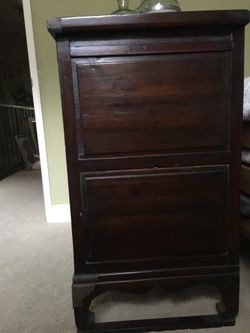
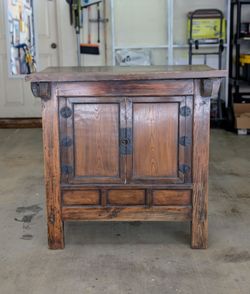
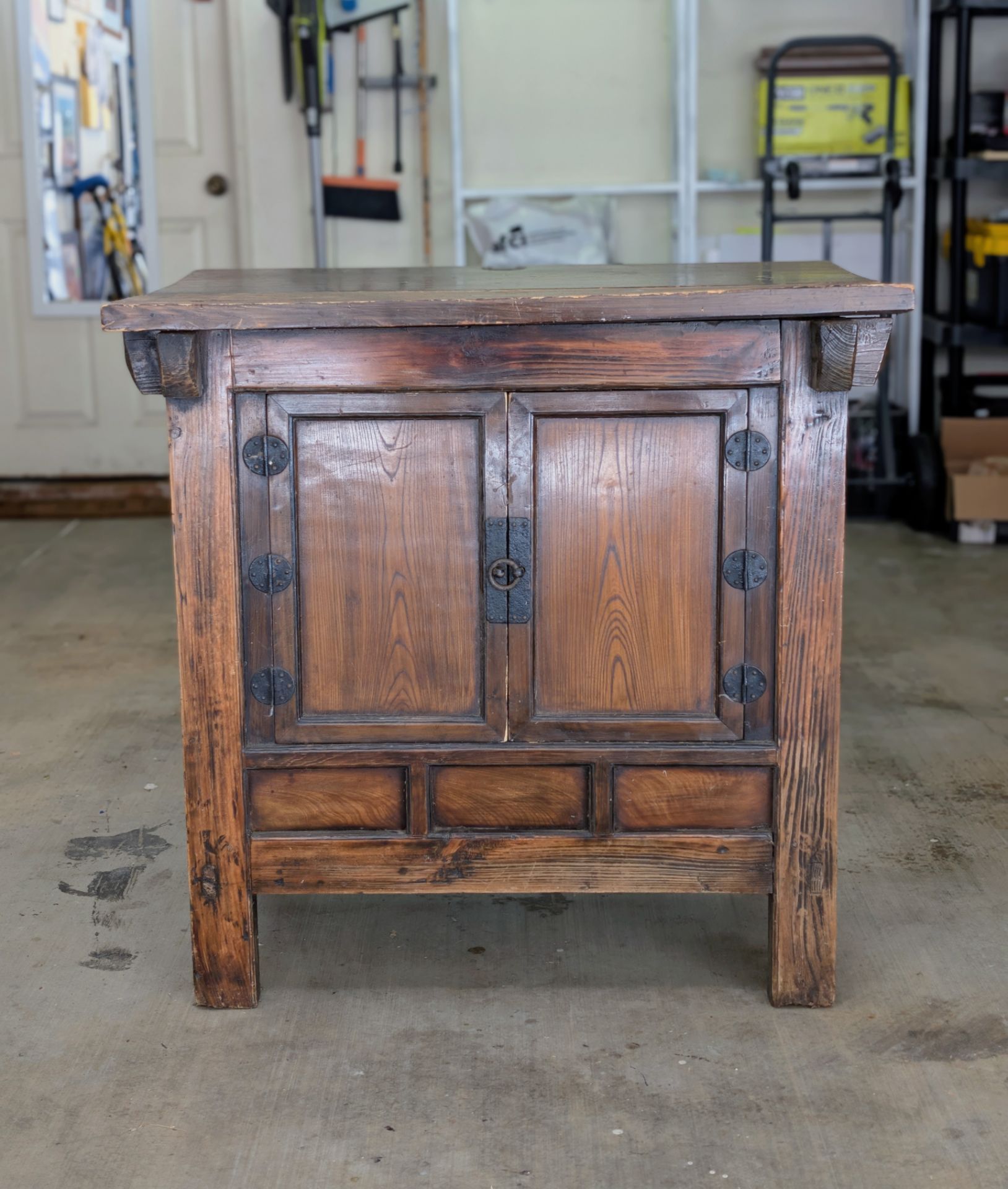
Antique Korean Kitchen Chest / Cabinet w/ Solid Wood Sliding Hatch
Last updated 7 days ago in Alhambra, CA
Listed in categories:

Chat securely on the app

Additional images
Description
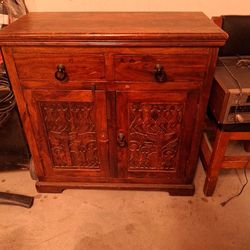
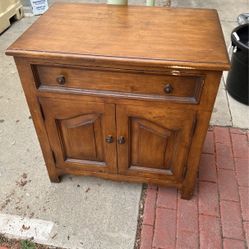
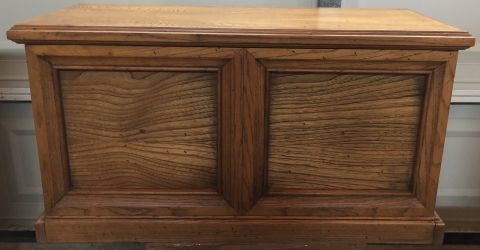
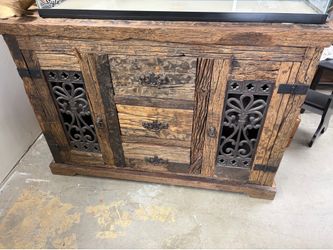
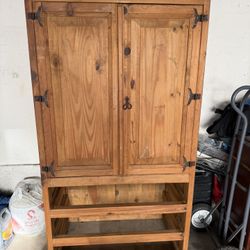
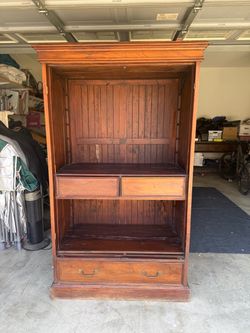
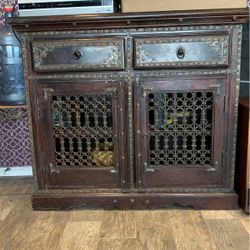
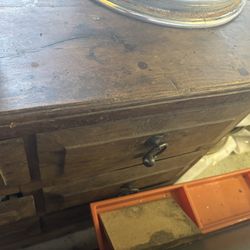
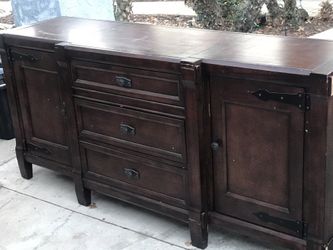
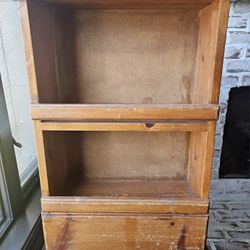
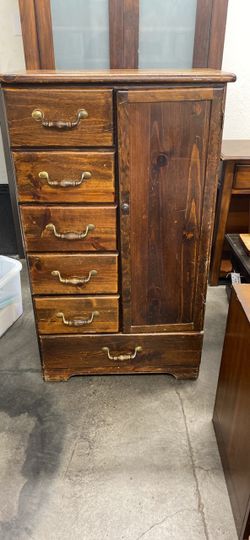
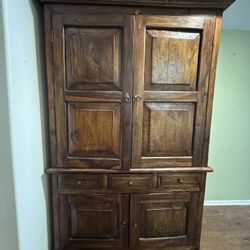
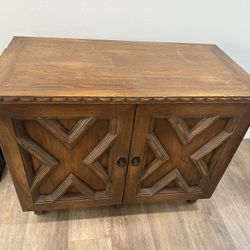
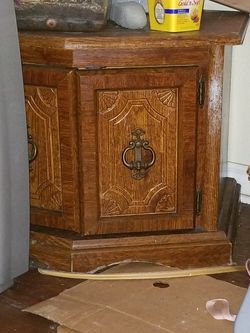
Stunning authentic antique Korean provincial kitchen/grain cabinet. Joseon Dynasty style, late 1800's to early 1900's Built entirely with traditional master joinery—no modern screws, nails, or staples holding the main chassis together. Available for pickup in Alhambra or delivery to the greater LA area for an additional fee. Features a highly unique, dual-access design: The top features a heavy split-hatch lift lid that opens into the upper interior cavity. The front features beautiful double paneled doors that swing open to access the lower storage bay. Includes a removable modern inner partition shelf panel that can be used for multi-level storage (perfect for glassware/bar items) or taken out completely to utilize the full, massive deep chest cavity for bulkier household items or blankets. MATERIALS Wood: Solid, heavy old-growth timber (Pine/Elmwood mix) with a deep, natural grain and rustic hand-rubbed patina. Sliding Top Hatch: The removable top features a highly unique sliding mechanism with heavy built-in alignment tracks, allowing the panel to slide open smoothly or lift off entirely for easy top-loading access. Traditional Split-Wedge Locking: The top corners feature authentic split-wedge tenon joinery, where hand-whittled wooden locking keys expand the structural joints directly inside the posts for rock-solid stability without glue. Hand-Adzed Side Panels: Raking light highlights authentic, subtle organic undulations across the side panels from historical hand-shaving tools, preserving the wood's century-old texture and character. Pure Interlocking Framing: Interior inspection reveals completely flush, hand-grooved channel joinery with zero modern brackets, pocket screws, or metal bracing reinforcing the inner chassis. Base & Underside: Hand-planed solid planks showing beautiful natural aging, tool marks, and flush mortise-and-tenon frame joinery. Traditional Scorched Grain Finish: Classic hand-brushed, scorched-grain technique that highlights the natural raised winter rings of the timber. Hardware: Original hand-forged Korean iron plates featuring traditional "Yeopjeon" (wealth/good luck coin) geometric cutouts on the lift-top barrel hinges and a heavy interlocking ring latch on the front doors. DIMENSIONS • Top Surface: 34.5" Wide x 24.5" Deep • Lower Main Body: 30.25" Wide • Total Height: 33.25" High Japandi Style Japandi is a massive modern design trend blending Japanese minimalism with Scandinavian functionality.Why it fits: This cabinet completely nails the aesthetic with its raw organic textures, simple geometric lines, and highly functional, clever dual-access storage. The focus on showcasing natural timber over ornate carvings is the core definition of Japandi design. Wabi-Sabi Aesthetic Wabi-Sabi is the ancient Japanese philosophy centered on finding beauty in imperfection, transience, and natural aging.Why it fits: This piece is a textbook example of Wabi-Sabi. The uneven, hand-adzed ripples across the wood panels, the historic under-lid wooden patch repair, the slight shrinkage gaps in the interlocking joinery, and the weathered patina on the iron hardware all tell a story of a long, useful life. Organic Modernism A highly popular style in LA (think West Elm or high-end Malibu homes) that pairs sleek, contemporary interiors with raw, warm, earthy materials.Why it fits: The hand-scorched, highly contrasted grain finish (Uzukuri) creates a bold, graphic texture. Placed in a clean white room or mixed with minimalist furniture, this cabinet provides the dramatic, earth-born focal point that organic modern spaces require. Primitive / Vernacular Folk Art Primitive design celebrates utilitarian, everyday object styling made by rural craftsmen using regional materials before the era of mass industrial factories.Why it fits: Because this was made for a provincial household kitchen rather than an elite palace, it strips away superficial decorations. It lets the raw mechanics—the exposed through-tenons, the locking wooden wedges, and the hand-pitted wrought iron—serve as the visual ornamentation. Region: The Northern Provinces of the Korean Peninsula (likely Pyongan, Hamgyong, or Hwanghae province). The use of massive, exceptionally thick solid pine panels and rugged, blackened wrought iron hardware is highly characteristic of the colder northern regions of Korea. Northern furniture had to withstand severe, dry winters, which is why the carpenter chose heavy floating-panel construction for the back wall and wedged through-tenons at the base to let the wood expand and shrink without splitting. Additionally, the elevated legs were a geographic necessity to lift the cabinet off the intensely hot stone floors heated by Ondol (traditional Korean underfloor flues) Period: Late Joseon Dynasty to the early Korean Empire era (circa 1880 – 1910)
Details
Condition
Used (normal wear)
Item location map
Map is approximate to keep seller’s location private.