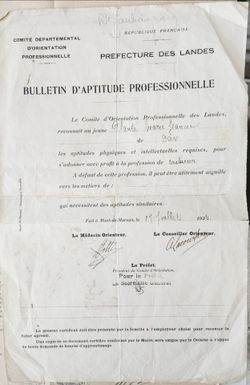
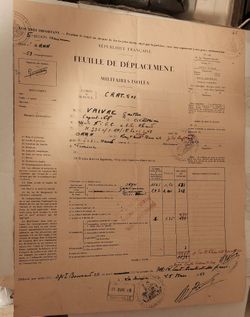
Take action
$15
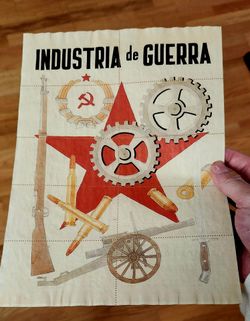
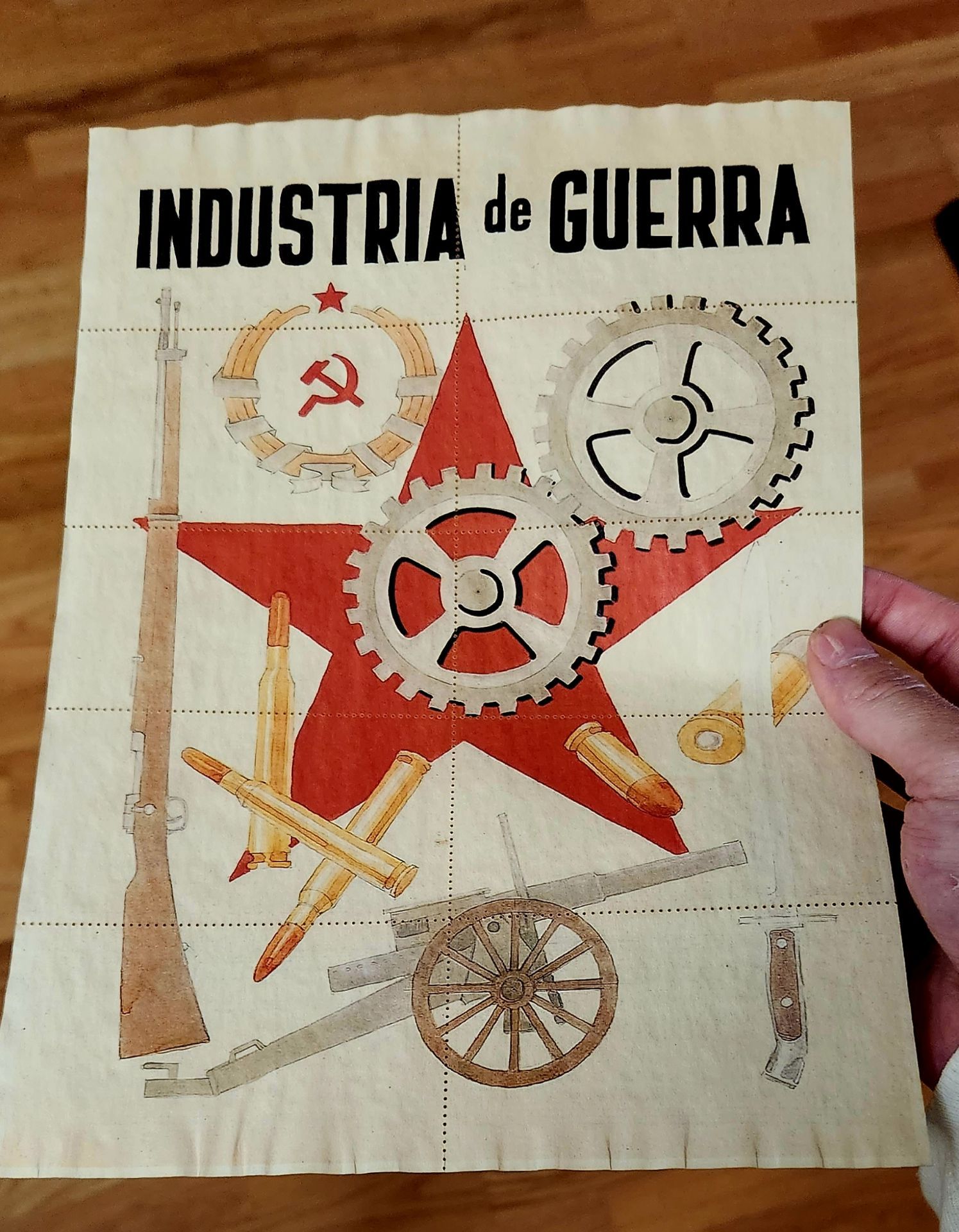
Spanish Civil War ration sheet (War Industry)
Last updated 25 days ago in Charleston, SC
Listed in categories:
Chat securely on the app

Additional images
Description
During the Spanish Civil War, communists and the Republican government centralized and militarized the war industry ,shifting control away from the decentralized workers' collectives. Shift from Collectives to State Control Worker Collectivization: Early in the war (1936), factories and industries were largely seized and run by workers' unions like the CNT and UGT. Communist Intervention: Backed by Soviet diplomatic and military leverage, the Communist Party of Spain (PCE) and the Republican government pushed to end worker-run management. They argued that centralized control was necessary to run an efficient war economy. Centralization: Small production plants were closed or merged into larger, state-coordinated cartels to maximize the output of weapons, ammunition, and supplies. Soviet Influence Military Aid: The Soviet Union supplied the Republican war effort with aircraft, tanks, and raw materials. Leverage: This vital aid gave Soviet advisors and Spanish communists immense political power to dismantle revolutionary worker committees and enforce a conventional, state-run military-industrial complex The Republican War Industry and the CIG Creation: Formed in August 1936 under Economy Minister Josep Tarradellas to coordinate weapon and equipment output. Conversion: Factories like Hispano-Suiza (automobiles to aircraft engines) and La Maquinista Terrestre y Marítima (metallurgy) shifted to producing rifles, explosives, and armored cars. Decline: Bureaucratic friction and centralization efforts led the central government to expropriate Catalonia's war industries by August 1938, reducing efficiency. Nationalist Industrial Advantage Resources: While the Republicans held major urban-industrial centers early on, the Nationalists secured vital financial backing, foreign oil (such as shipments from Texaco), and foreign military support from Nazi Germany and Fascist Italy.
Details
Condition
Used (normal wear)
Color
Multicolor
Type
15
Original Or Reproduction
Vintage reproduction
Item location map
Map is approximate to keep seller’s location private.