Take action
$69
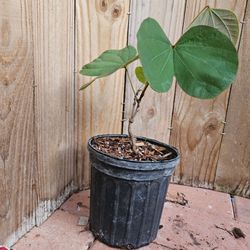
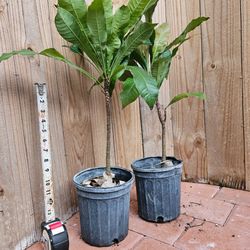
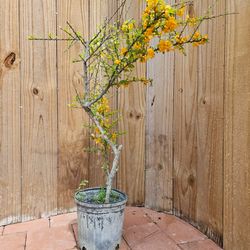
LIVE PLANT 3ft Caesalpinia pulcherrima - Red Bird of Paradise- Dwarf Poinciana
Last updated 22 days ago in West Palm Beach, FL
Listed in categories:
Chat securely on the app

Additional images
Description
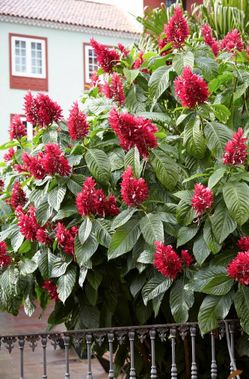
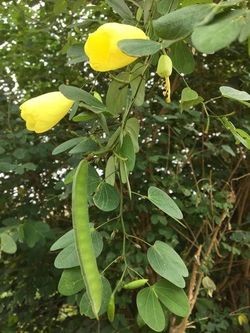
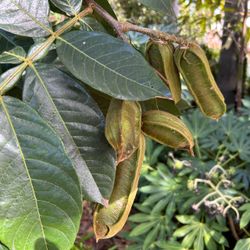
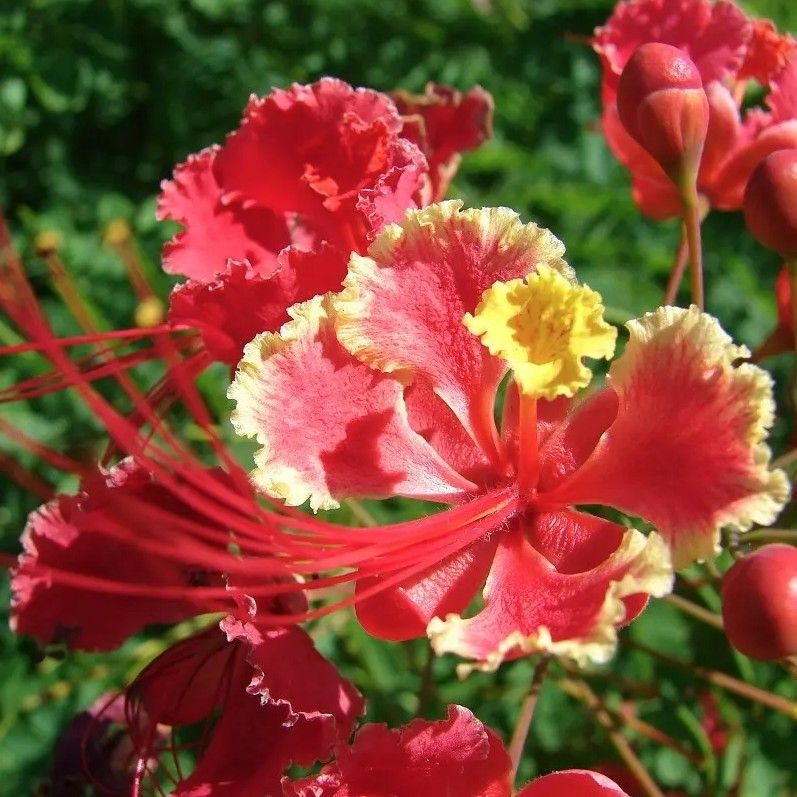
The plant I ship is about 3ft tall. Combined shipping for additional plants is discounted. Other names: Barbados Pride, Barbados Flower Fence, Dwarf Poinciana, Flamboyant Tree, Paradise Flower, Peacock Flower, Spanish Carnation The flowers of Caesalpinia pulcherrima are nothing short of breathtaking. Large and conspicuous, they showcase a brilliant palette of colors, primarily consisting of red, orange, and yellow hues. The five-petaled blooms are arranged in dense, terminal clusters, creating a visually arresting display that easily captures the attention of onlookers. This remarkable floral presentation is a key factor in the plant's popularity in gardens and landscapes, especially in tropical and subtropical regions. A noteworthy characteristic of Pride of Barbados is its extended blooming period. Given suitable growing conditions, this plant can produce flowers throughout the warm months, contributing to its status as a favored ornamental addition to outdoor spaces. The vibrant blossoms not only serve as an aesthetic delight but also play a functional role in attracting pollinators. Butterflies and other insects are drawn to the nectar-rich flowers, enhancing the biodiversity and ecological dynamics of the surrounding environment. After the blooming stage, Caesalpinia pulcherrima forms long, slender seed pods, adding an additional dimension to its visual appeal. These pods, housing several hard, bean-like seeds, can persist on the plant, creating an interesting juxtaposition with the colorful flowers. While the fruiting phase may not be as visually striking as the flowering period, it adds seasonal interest and contributes to the overall life cycle of the plant. For optimal growth and development, Caesalpinia pulcherrima thrives in full sunlight and well-draining soil. It is well-adapted to tropical and subtropical climates, displaying resilience in the face of high temperatures and periodic drought. While the plant can tolerate a range of soil types, it prefers conditions that prevent waterlogging, ensuring its roots receive adequate aeration. Landscapers and garden enthusiasts frequently incorporate Pride of Barbados into their designs to introduce a burst of color and tropical allure. Whether used as standalone specimens, in mixed borders, or as part of hedges, this plant's versatility and low maintenance requirements make it a valuable asset in various landscaping scenarios. Its ability to withstand drought conditions makes it particularly well-suited to regions with warm climates where water conservation is a consideration. Climate and Location: Caesalpinia pulcherrima thrives in warm climates, preferably USDA Hardiness Zones 9 to 11. It is well-suited for tropical and subtropical regions. Choose a sunny location with full sunlight exposure for optimal growth and blooming. This plant requires at least 6-8 hours of direct sunlight daily. 2. Soil: Ensure well-draining soil to prevent waterlogging, as Pride of Barbados prefers slightly dry conditions between watering. While the plant is adaptable to various soil types, a fertile, loamy soil enriched with organic matter is ideal for promoting healthy growth. 3. Planting: Plant Caesalpinia pulcherrima in the spring or early summer when the soil has warmed up. Dig a hole twice the size of the plant's root ball, ensuring that the top of the root ball sits slightly above ground level. Backfill with soil, tamp down gently, and water thoroughly after planting to help settle the soil. 4. Watering: Pride of Barbados is somewhat drought-tolerant once established. Water regularly during the growing season, especially during dry spells. Allow the soil to dry out between waterings to prevent root rot. However, provide consistent moisture for young plants until they are well-established. 5. Fertilization: Apply a balanced, slow-release fertilizer in spring to promote healthy growth and flowering. Avoid excessive nitrogen, as it may encourage more foliage at the ex
Details
Condition
Used (normal wear)
Item location map
Map is approximate to keep seller’s location private.