Take action
$32
LIVE PLANT Kaempheria galanga Aromatic Sand Chinese Ginger Resurrection Lily
Posted in West Palm Beach, FL
Listed in categories:
Chat securely on the app

Additional images
Description
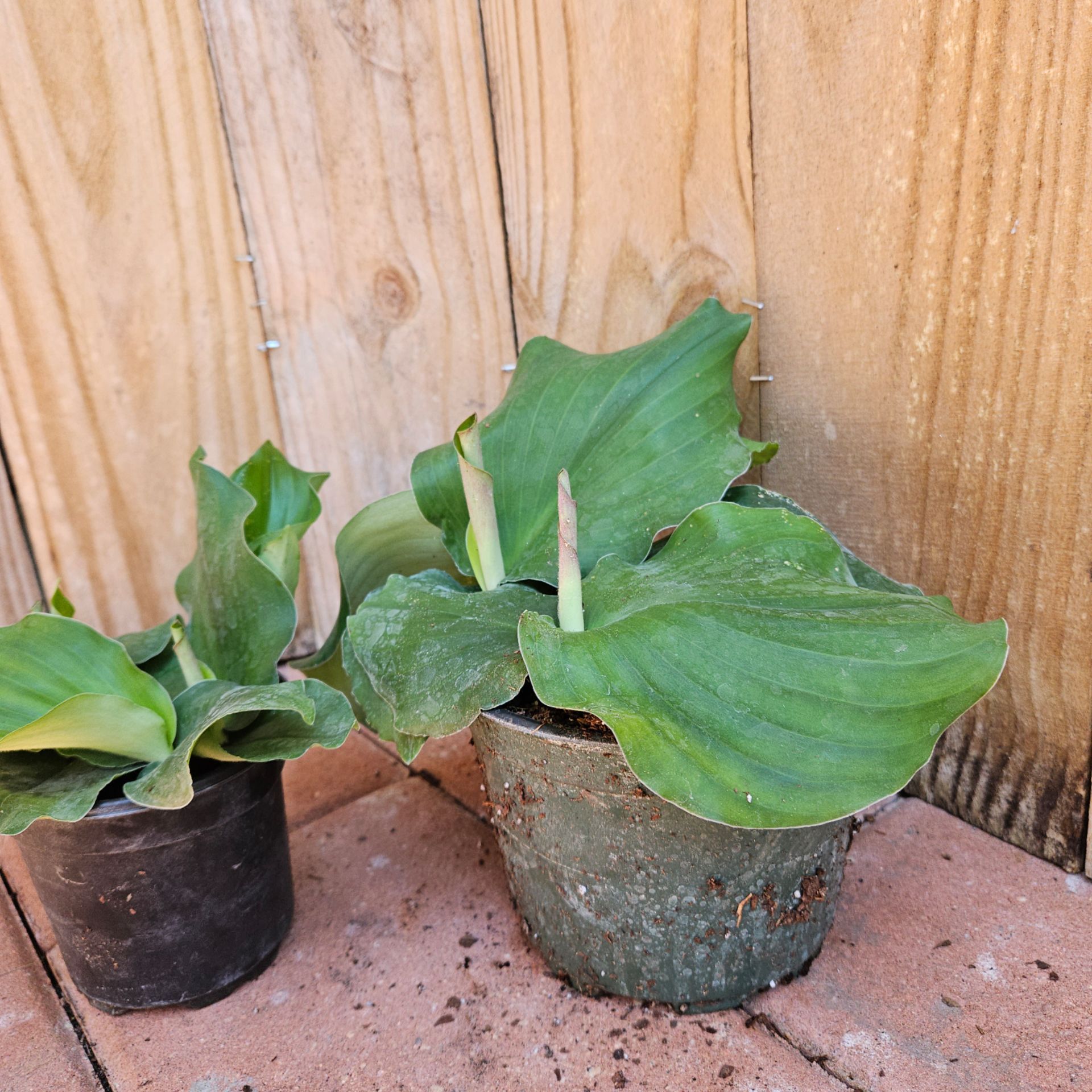
The plant I ship is 1-2 ft tall. Last photos show actual or similar plants. Kaempferia galanga Common Names Sand Ginger Aromatic Ginger Resurrection Lily (occasionally) Kencur (Indonesia) Cekur (Malaysia) Galanga Root (although this causes confusion with true galangals) Chinese Ginger Peacock Ginger (sometimes misapplied) Scientific Name Kaempferia galanga Synonyms The accepted name is Kaempferia galanga L. and it has remained relatively stable. Older botanical literature may occasionally contain historical synonyms, but they are rarely encountered in horticulture today. Description Kaempferia galanga is a small tropical member of the ginger family (Zingiberaceae). Unlike many gingers, it grows very close to the ground and produces: Broad, rounded leaves lying almost flat on the soil surface Fragrant rhizomes Small white to pale lavender flowers Compact growth habit Native to tropical Asia, it has been cultivated for centuries for culinary, medicinal, and aromatic purposes. The rhizome has a distinctive fragrance combining notes of: Camphor Ginger Pine Eucalyptus Spice Culinary Uses This is one of the most important culinary gingers in Southeast Asia. In Indonesia (where it is known as kencur), the rhizome is used in: Sambals Rice dishes Soups Herbal drinks (jamu) The flavor is quite different from common ginger. Many people describe it as: Ginger crossed with camphor and cardamom. A little goes a long way. Medicinal and Ethnobotanical Uses Traditionally used for: Digestive complaints Coughs Congestion Headaches Inflammation The rhizome contains compounds such as: Ethyl p-methoxycinnamate Ethyl cinnamate These are responsible for much of its characteristic aroma. Care Tips Light Bright shade Filtered sunlight Morning sun is acceptable Too much direct Florida afternoon sun can scorch the leaves. Water Keep evenly moist during active growth. Do not allow prolonged waterlogging. Reduce watering during dormancy. Soil Prefers: Rich organic soil Excellent drainage Moist but airy conditions A mix rich in compost and organic matter works well. Temperature USDA Zones 10–11 Prefers temperatures above 60°F (16°C) Cold damage occurs quickly below this range. Humidity Moderate to high humidity preferred. Performs well in South Florida. Fertilization Moderate feeder. A balanced fertilizer during active growth is sufficient. Too much nitrogen can produce lush foliage at the expense of rhizome development. Dormancy This is important. During cooler or drier periods: Leaves may die back. Rhizomes remain alive underground. New growth resumes when warmth and moisture return. Many gardeners mistakenly assume the plant has died. Propagation Easy by: Rhizome division Each section containing a viable bud can form a new plant. Container Culture Excellent container plant. Because it stays compact, it performs well in pots for many years. Growth Rate Moderate Faster than many orchids and cycads Slower than culinary ginger under similar conditions Fragrance One of the most fragrant members of the ginger family. The rhizome aroma is often described as: Camphor + ginger + eucalyptus + spice. Many people can identify it immediately once they've smelled it. Wildlife Value Limited wildlife attraction. Flowers may occasionally attract: Small bees Tiny pollinating insects The primary value is culinary and medicinal rather than ornamental wildlife support. Fertilizer that I include as an option is an excellent choice for professional growers or nurseries if you grow plant in a pot. I personally use it for all my plants. It has polymer coating to allow slow release during 8-9 months evenly. You don't have to worry about repotting the plant for about 1 year or worry about burning plant with your regular over the counter fertilizer. You need about 3-4oz per 3 gal pot or 4-5oz per 5 gal pot. GUARANTEED ANALYSIS F1877 Total Nitrogen (N)**. . . . . . . . . . . . . . . . . . . . . . . . . . . . . . . . 15%
Details
Condition
Used (normal wear)
Item location map
Map is approximate to keep seller’s location private.
Related searches
- Dresser
- Couch
- Desk
- Coffee table
- Dining table
- TV stand
- Patio furniture
- Sofa
- Refrigerator
- Milwaukee
- Table
- Tool box
- Chair
- Lawn mower
- Bar stools
- Plants
- Mirror
- Rug
- West Elm
- Shed
- Bedroom set
- Generator
- Lamp
- Kitchen table
- Christmas tree
- DeWalt
- Twin bed
- Recliner
- Pressure washer
- Fire pit
- Restoration Hardware
- Shelves
- Bed frame
- Stove
- Pottery Barn
- Christmas decorations
- Console table
- Accent chair
- Kitchen cabinets
- Nightstand
- Ladder
- Ottoman
- Weed Eater
- Entry table
- Pavers
- Full size bed
- Outdoor furniture
- Vacuum
- Leather couch
- Shoe rack
- Sectional couch
- White dresser
- Entertainment center
- BBQ grill
- Pool
- Tractor
- Chainsaw
- Futon
- Ryobi
- Storage cabinet