Take action
$33
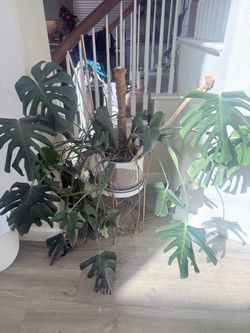
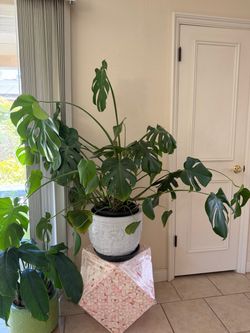
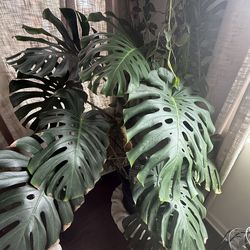
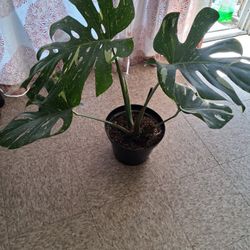
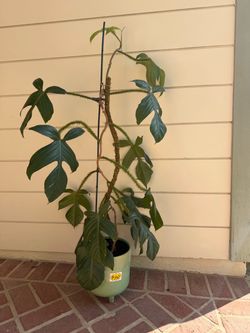
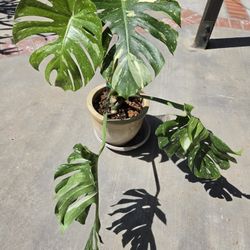
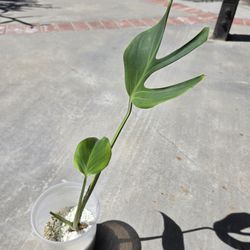
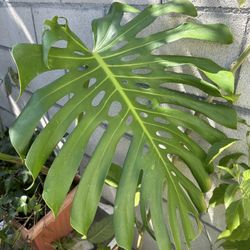
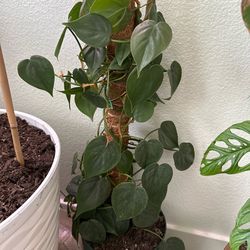
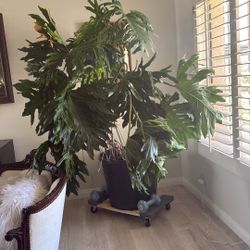
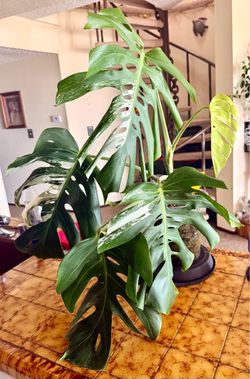
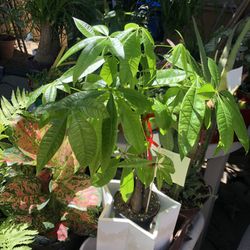
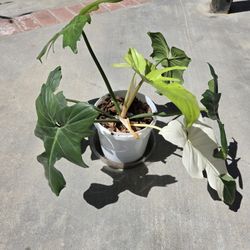
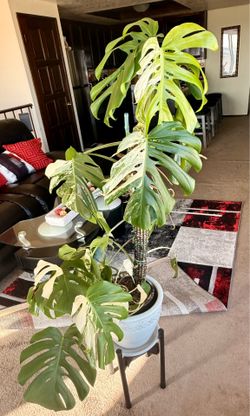
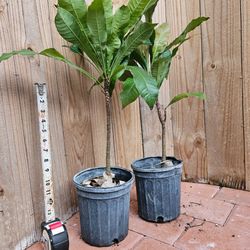
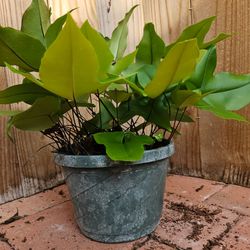
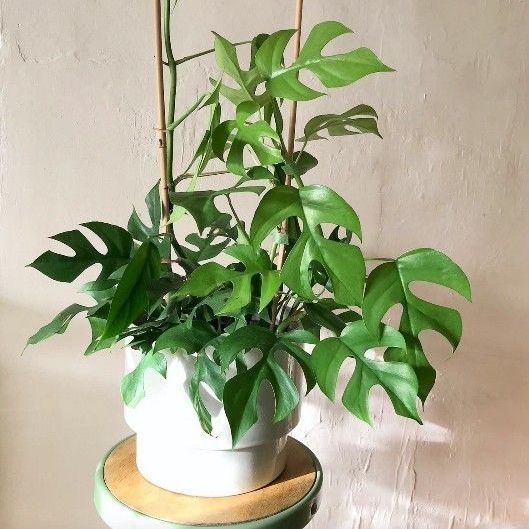
Rhaphidophora tetrasperma (Monstera minima, Ginny split-leaf Philodendron) 3ft live plant (not bulbs) - shipped from sunny Florida
Posted in West Palm Beach, FL
Listed in categories:
Chat securely on the app

Additional images
Description
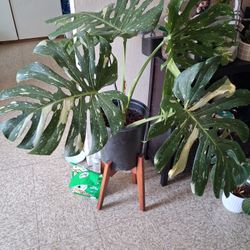
The plant that I ship is about 2-3 feet tall. Combined shipping: If bought with other plants that I sell, shipping is combined and discounted. Mini monstera, mini split-leaf, Ginny philodendron... Rhaphidophora tetrasperma goes by many misleading names and is having a huge moment in the spotlight currently, thanks largely to social media. They are all the rage right now due to their cute split leaves, ease of care, and fast growth rate. R. tetrasperma bares a striking resemblance to a Monstera deliciosa at first glance, and it's often incorrectly referred to as a Philodendron species. However, this plant is neither a Monstera or a Philodendron, although they are all in the same family Araceae (plants in this family are often referred to as "aroids"). Rhaphidophora tetrasperma in a a totally separate genus than those two plants, and is endemic to a separate part of the world! While Monstera and Philodendron species are native to Central and South America, R. tetrasperma is found in Southern Thailand and Malaysia. And surprisingly, the Rhapidophora genus isn't closely related to the other two genera it's often mistaken for. More information about R. tetrasperma can be found here at the Exotic Rainforest page, which is one of my favorite reputable aroid sources. Lighting: Rhaphidophora tetrasperma requires bright, filtered light. Indoors, direct sun is fine; outdoors, a little bit of dappled sun is fine as well. In my case, I keep it near a west-facing window (northern hemisphere), and outdoors I keep it in bright shade that gets a touch of morning sun. R. tetrasperma is decidedly NOT a low light plant - it will grow slowly and will produce small foliage if placed in an area with too little light. Watering: Rhaphidophora tetrasperma likes to stay pretty moist, at least during growing season. I've personally noticed faster growth with regular waterings and not leaving it too dry for too long. That said, this plant won't pout if you forget to water it now and then, and is more sensitive to overwatering if anything. I typically water when the potting medium is dried down 1-2" and I don't let the root ball dry out. In the winter, you can cut down watering. Humidity + temperature: This plant can tolerate standard household humidity (typically around 30-40%), but it will absolutely love added humidity! If you can place it near a humidifier or group it with other plants, it will greatly benefit. Temperature wise, it's like most other aroids and doesn't like temperatures that are too cold (nothing below 55 degrees) or too hot (100+ degrees). In the thick of summer where I am in Tennessee, I've noticed R. tetrasperma get a little wilty in temperatures over 95, and it will perk right up if I bring it indoors for a bit or at night when temps dip a little. Soil + fertilizer: A chunky, well-draining substrate is KEY. You want a mix that is going to have plenty of aeration and stay moist, but never soggy. I use a mix I make myself, the same one I use for all of my Philodendron and Monstera species. It's a base of potting soil with equal portions of perlite/pumice, pine bark, finely shredded spaghum moss and horticultural charcoal. As far as feeding, these do well with a balanced or high-nitrogen fertilizer monthly during growing season. Cut down fertilizing drastically - or completely - during colder months when growth slows down. Repotting + pruning: R. tetrasperma is a vigorous grower and will need to be repotted every year, possibly twice a year. I've had mine for less than a year and I've already had to repot it twice! Also make sure you give these plants support to climb - a moss pole or totem works well, so does a trellis. I've seen these as hanging plants, but I honestly don't believe that they make good hanging baskets in the long run. Leaving them to hang can result in leggy growth, smaller leaves, and leaves without splits. Common problems: As evidenced by my story above: spider mites. :( Otherwise, it doesn't seem susc
Details
Condition
Other (see description)
Item location map
Map is approximate to keep seller’s location private.